
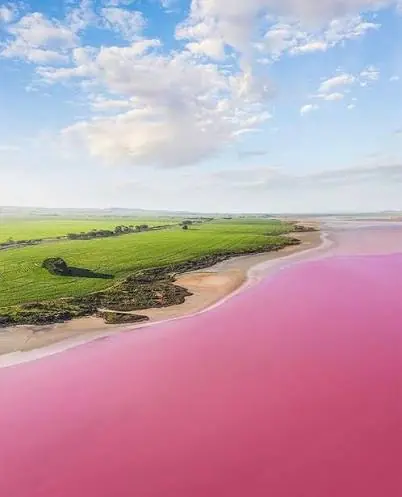
Just 90 minutes north of Adelaide, Lake Bumbunga is one of South Australia's most photogenic natural wonders. Depending on the season, its shallow waters shift from soft pink to deep magenta, creating a surreal foreground against the endless outback sky. For photographers, Instagrammers, and travellers seeking something off the usual wine-trail circuit, it is an unforgettable stop.
About Bumbunga Lake
Lake Bumbunga sits in the Mid North region of South Australia, near the small town of Lochiel. Unlike some pink lakes that flash colour only during rare algal blooms, Bumbunga owes its hue to a combination of high salinity, salt-loving micro-algae called Dunaliella salina, and halophilic bacteria that produce carotenoid pigments. When water evaporates in warmer months, the salinity concentrates and the pink intensifies.
The lake is vast but shallow, rarely exceeding a few centimetres of depth across much of its surface. In dry periods, white salt crusts form geometric patterns that crack and tessellate, creating a completely different but equally dramatic landscape. On calm days the thin water layer becomes a mirror, reflecting the sky and doubling the impact of any photograph.
The best way to experience the lake is on a private Pink Lake day tour that handles the driving and timing so you arrive when the light and colour are at their peak.
When Does the Lake Turn Pink?
There is no single "pink season," but the colour is most vivid during the warmer, drier months from late spring through early autumn (October to April). The lake is at its deepest pink after a period of steady evaporation, typically following rain that has flushed nutrients into the basin and then dried. Mid-summer, when temperatures sit above 30 degrees, often delivers the most intense magenta tones.
Winter rains dilute the salinity and can wash the colour out, leaving the lake a more muted grey-pink or even silvery blue. That said, winter brings dramatic cloud formations and softer light, which can still produce compelling images — just not the intense pink that fills Instagram feeds. If pink is your priority, plan your trip between December and March.
Before booking, check recent social media photos tagged at Lake Bumbunga to gauge the current colour. Conditions change quickly, and a lake that was neon pink last week may have dried to a white salt pan this week. Our Pink Lake private tour team monitors conditions daily and adjusts itineraries accordingly.
Photography Tips
Lake Bumbunga is a photographer's playground, but getting the shot right requires a little planning. The lake sits in wide-open country with no natural shade, so the best light happens early morning and late afternoon, when the low sun brings out the pink tones and casts long shadows across the salt ridges.
Camera Settings
If you are shooting with a DSLR or mirrorless camera, a polarising filter is invaluable for cutting glare off the water. Shoot slightly underexposed (around -0.3 to -0.7 EV) to prevent the bright salt from blowing out your highlights. A wide-angle lens in the 16-35mm range captures the vastness of the lake, while a telephoto compresses the salt patterns into abstract compositions.
Phone Photography
Modern smartphones handle the scene surprisingly well. Use the wide-angle lens if your phone has one, and tap to lock exposure on a mid-tone area of the salt. Avoid HDR in harsh midday sun — it can wash out the pink and over-brighten shadows. The best phone shots happen during golden hour, roughly an hour before sunset.
Clothing & Props
White, cream, and neutral tones photograph beautifully against the pink water. Blue or teal creates a strong complementary contrast. Sturdy sandals or water shoes are essential — the salt crust can be sharp, and the water, though shallow, will soak your shoes. Bring a towel and a change of footwear for the drive home.
Clare Valley Combo: Martindale Hall & Sevenhill Cellars
Lake Bumbunga sits less than an hour from the Clare Valley, one of Australia's oldest and most underrated wine regions. A combined Pink Lake and Clare Valley itinerary makes for a genuinely varied day out — surreal pink landscapes in the morning, cool-climate Riesling in the afternoon.
Martindale Hall
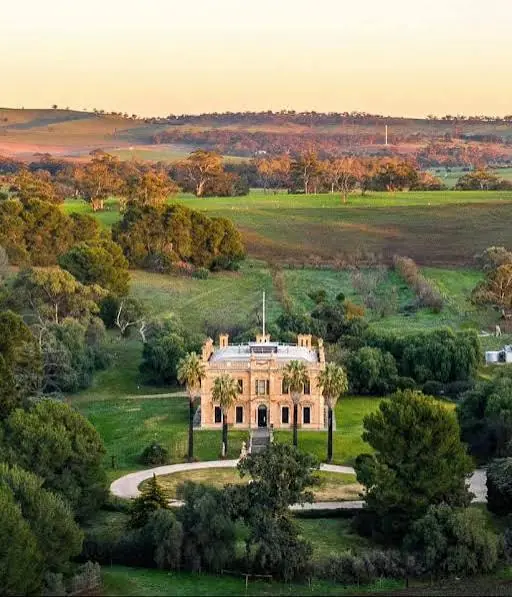
This Georgian-style mansion near Mintaro is a time capsule of 19th-century pastoral wealth. Built in 1879, the hall featured prominently in Peter Weir's film Picnic at Hanging Rock. Its grand rooms, original furnishings, and cricket-ground views make it a memorable cultural stop between the lake and the vineyards.
Sevenhill Cellars
Established by Jesuit priests in 1851, Sevenhill is the Clare Valley's oldest winery. Its underground cellar, stone crypt, and atmospheric tasting room offer a quieter, more contemplative wine experience than the busier Barossa cellar doors. Their St. Ignatius and St. Francis Xavier wines are produced from some of the oldest vines in the region.
Where to Stay: The Pink Lake Cottage
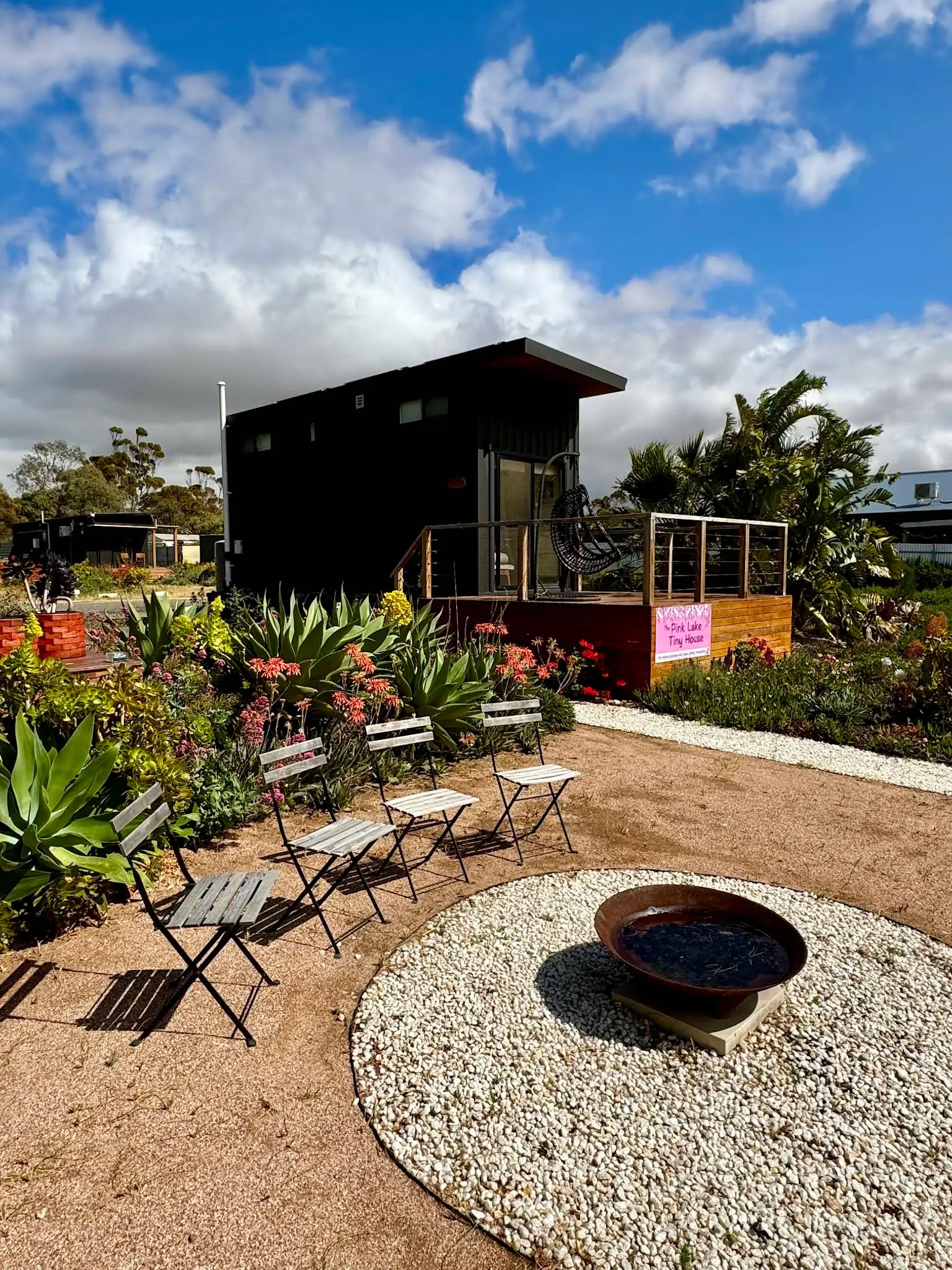
The Pink Lake Cottage sits right on the shore of Lake Bumbunga — arguably the closest accommodation to a pink lake anywhere in South Australia. This two-bedroom self-contained cottage sleeps up to six guests and offers uninterrupted lake views from its large picture windows and outdoor deck.
Waking up here means sunrise over the pink water without having to drive anywhere. The cottage is equipped with a full kitchen, barbecue, and climate control. It suits couples on a romantic escape as well as small groups of friends on a photography road trip. Bookings should be made well in advance, especially for summer weekends.
If the cottage is fully booked, the nearby town of Clare offers a range of motels and B&Bs roughly 40 minutes from the lake. Lochiel itself has no commercial accommodation beyond the cottage, so plan accordingly.
How to Get There
Lake Bumbunga is located along the Princes Highway (A1), approximately 135 kilometres north of Adelaide. The drive takes about 90 minutes via the Northern Expressway and Port Wakefield Road. The lake is hard to miss — it stretches alongside the highway near Lochiel, and the pink water is visible from the road on clear days.
There is a designated lookout and parking area on the eastern side of the highway with interpretive signage and a viewing platform. Please stay on marked paths and avoid driving onto the salt surface — vehicles can break through the crust and become bogged, requiring expensive recovery.
For a relaxed, no-stress visit, book a private tour with Chenghua.K Travel. Our driver-guides know the best access points, the current conditions, and how to time the visit for ideal light. Browse our full range of South Australian private tours to add Clare Valley, the Barossa, or Adelaide experiences to your itinerary.
Best Time to Visit
The ideal Pink Lake visit balances colour intensity, comfort, and photographic light. Summer (December to February) produces the most vivid pink, but midday temperatures can be punishing. We recommend a summer visit in the early morning, leaving Adelaide around 7 am to arrive by 8:30 am, when the temperature is still pleasant and the low-angle sun makes the salt patterns pop.
Autumn (March to May) is a strong all-rounder. The lake often retains good colour, the heat has eased, and the afternoon light is golden. Spring (September to November) can be hit or miss depending on recent rainfall, but the surrounding countryside is lush and the Clare Valley vineyards are at their greenest, making the scenic drive alone worthwhile.
Regardless of season, aim for a weekday visit if possible. Weekends draw more visitors, and the viewing platform area can become crowded with tripods and selfie sticks, which makes clean, people-free compositions harder to achieve.
Ready to capture the pink?
Let our local team craft a private Bumbunga Pink Lake experience timed for the best colour and light. Door-to-door transport, guided photography insights, and optional Clare Valley add-ons included.
View the Pink Lake Tour arrow_forward